ฝ่ายขาย และการตลาด
085-848-2253[email protected]http://m.me/beartai
สมัครงาน/ฝึกงาน ติดต่อได้ที่
[email protected]

วัฒนา ขจัดสารพัดภัย

18/02/2026
Articles 244
มนุษย์ที่หาคำตอบด้วยการเดินทางออกไปสัมผัสกับสายลม เลือกเรียนเอกฟิล์มแต่ลงท้ายเสพติดการอ่านและการเขียนมากกว่า ชื่นชอบประวัติศาสตร์ ปรัชญา อนิเมะและบรรดาเรื่องเล่า ปัจจุบันหลงใหลชั่วขณะของการถ่ายภาพดาว จนต้องตามติดข่าวสารดาราศาสตร์ไปในที่สุด

Related Content
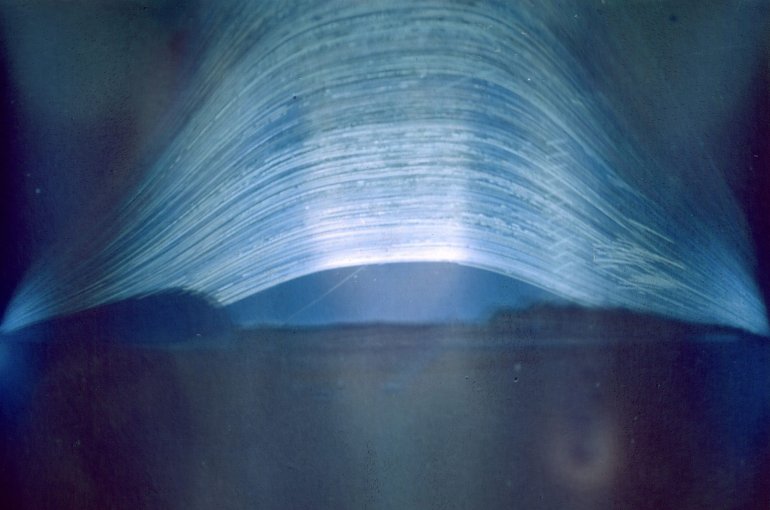
นานกว่านี้มีอีกไหม?! เจาะประเด็นภาพที่ใช้เวลาถ่ายมากที่สุดในโลก (8 ปี) และนานาภาพที่ถ่ายนานชวนทึ่ง

04/12/2021
Read More

ทลายทฤษฎีเดิม เมื่อ “Big Bang” อาจไม่ใช่จุดกำเนิดของเอกภพอีกต่อไป!

17/10/2021
Read More
This comparison view shows puffing dust bubbles and an erupting gas shell — the final acts of a monster star.You can explore the detail of the nebula surrounding the star AG Carinae by using the slider tool on the image above.  This Picture of the Week showcases new views of the dual nature of the star AG Carinae, which was the target of the NASA/ESA Hubble Space Telescope’s 31st anniversary image in April 2020. This new perspective was developed thanks to Hubble’s observations of the star in 2020 and 2014, along with others captured by the telescope’s WFPC2 instrument in 1994. You can compare these two new versions of AG Carinae by using the slider tool on the image above. The first image showcases the details of the ionised hydrogen and ionised nitrogen emissions from the nebula (seen here in red). In the second image, the blue demonstrates the contrasting appearance of the distribution of the dust that shines of reflected stellar light. Astronomers believe that the dust bubbles and filaments formed within and were shaped by powerful stellar wind . This giant star is waging a tug-of-war between gravity and radiation to avoid self-destruction. The star is surrounded by an expanding shell of gas and dust — a nebula — that is shaped by the powerful winds emanating from the star. The nebula is about five light-years wide, equal to the distance from here to our nearest star, Alpha Centauri. AG Carinae is formally classified as a Luminous Blue Variable because it is hot (blue), very luminous, and variable. Such stars are quite rare because there are not many stars that are so massive. Luminous Blue Variable stars continuously lose mass in the final stages of their life, during which a significant amount of stellar material is ejected into the surrounding interstellar space, until enough mass has been lost that the star has reached a stable state.  AG Carinae is surrounded by a spectacular nebula, formed by material ejected by the star during several

เมื่อฮับเบิลจับสังเกต ‘ดวงตาเซารอนแห่งอวกาศ’ ฉลองครบรอบ 31 ปี แห่งการทำงาน

18/09/2021
Read More

ภาพ 3 มิติจากเที่ยวบินโดรนที่ 13 บนดาวอังคาร กับมุมมองที่ยังไม่เคยเห็นมาก่อน

18/09/2021
Read More

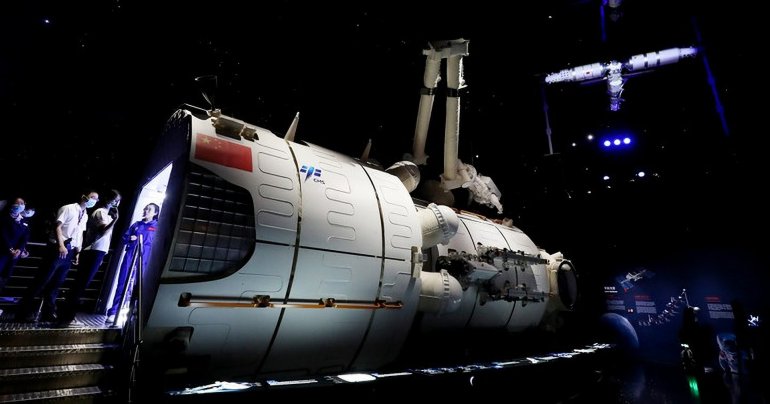
จีนเปิด ‘ท้องฟ้าจำลองใหญ่ที่สุดในโลก’ พร้อมให้บริการ 18 ก.ค. นี้เป็นต้นไป

18/07/2021
Read More

‘กิจการอวกาศ’ กับงานหลากมิติและความเป็นไปได้ในไทย

18/07/2021
Read More

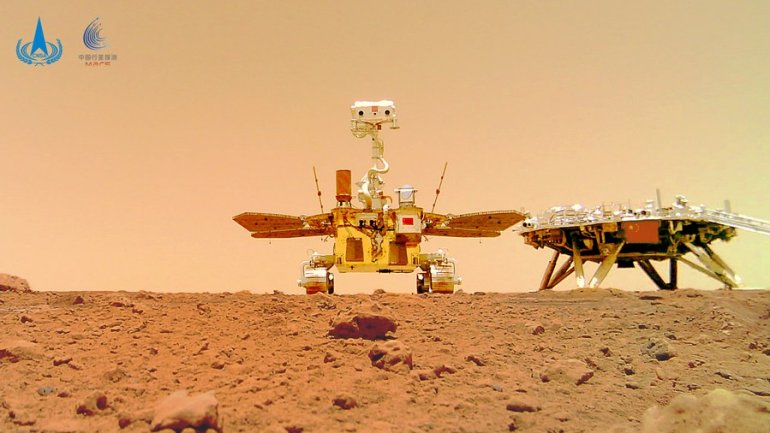
จีนเผยภาพ ‘ดาวอังคาร’ ชุดใหม่สุดคมชัดจากยานสำรวจจู้หรง

12/07/2021
Read More

6 ประเด็นลี้ลับช่วยไขปริศนาโลก มูลเหตุที่ทำให้ 3 ภารกิจอวกาศต่างมุ่งหน้าไป ‘ดาวศุกร์’

19/06/2021
Read More